
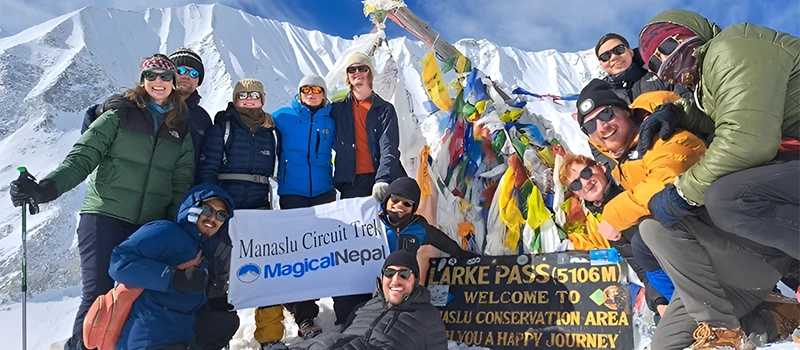
Saugat Adhikari is the co-founder of Magical Nepal, a niche trekking company operating in a fiercely competitive travel market. Instead of trying to outspend established players with massive marketing budgets, he chose a completely different approach.
Saugat built an asset. He realized that years of paid ad spend disappear the second the campaign stops, but organic search rankings continue to convert long after the initial work is done. By focusing on search intent and sustainable operations, Saugat turned Magical Nepal into a recognized brand without relying on paid acquisition as a permanent foundation.magicalnepal+2
Building An Asset
Most founders enter competitive markets by trying to out-resource the incumbents. Saugat entered by choosing a different game. The travel industry features large operators with marketing budgets built over decades and customer databases spanning thousands of repeat travelers.
Saugat understood that paid traffic is essentially a faucet. You turn on the spend and visitors arrive, but nothing compounds, and every month starts from zero. Organic search, however, is a compounding asset. A well-optimized page that ranks for a term a buyer is actively searching converts continuously at no marginal cost per visit. It actually becomes more valuable the longer it builds authority. Saugat focused entirely on mapping the customer journey and creating content that met travelers exactly where they were in their decision process.
Key Takeaways
- Saugat mapped the entire customer journey and built content that matched traveler search intent at every stage.
- Paid campaigns provided early visibility and data, serving strictly as a bridge to organic dominance rather than a permanent channel.
- Content carried dual value by ranking well in search engines and converting readers through genuinely useful information.
- Sustainability operates as the core business model, creating a deeply authentic story that competitors cannot easily replicate.
- Audience segmentation and personalized content generated repeat customers and powerful word of mouth referrals.
The Interview
Q: You launched a niche trekking company in an incredibly competitive market. Why did you choose organic search over a traditional paid marketing strategy?
Saugat Adhikari: I realized early on that paid traffic is essentially a faucet. You turn on the spend and the visitors arrive. The moment you stop spending, the visitors stop coming. Nothing compounds. Organic search works entirely differently. A well-optimized page that ranks for a specific query keeps converting at no marginal cost per visit. It actually gets more valuable the longer it builds authority. I wanted to build a long-term asset instead of starting from zero every single month.
Q: Many founders struggle to make content convert. How did you structure your strategy to ensure it actually drove bookings?
Saugat: Most founders write about what they want to say instead of what their customer is actively trying to find. We focused heavily on search intent. We mapped the entire buyer journey before writing a single word. Our top funnel content educates people about eco-tourism practices or high elevation preparation. Our mid-funnel content guides decisions with itinerary comparisons. Finally, our bottom funnel content converts visitors with clear pricing and straightforward booking paths.
Q: Did you avoid paid advertising entirely in the early days?
Saugat: Not at all. Early on, PPC campaigns gave us crucial visibility with key demographics while our organic rankings were still building. We used those campaigns to generate initial traction and gather data. We then used that exact data to sharpen our SEO targeting. Paid media was always a bridge for us. The sequence matters immensely. Use paid to learn, then graduate to organic as your primary driver.
Q: The travel industry struggles with greenwashing. How do you make your sustainability claims authentic to travelers?
Saugat: We built the operations first and let the marketing reflect that reality. We hire local guides because it makes the experience better and keeps income inside the communities. We run clean-up treks and develop community-based tourism packages because they create genuine value. When you do the actual work, you do not need to overpromise. That honesty resonates deeply with eco-conscious travelers and drives incredible word of mouth.
Q: How does personalization factor into converting first-time bookers into repeat travelers?
Saugat: Personalization is relationship design. We use audience segmentation to ensure the right message reaches the right person. Trekkers receive completely different itinerary recommendations than cultural tourists. We treat post-trip follow-up emails as mandatory steps in our process. We base our retargeting on actual booking behavior rather than broad assumptions. Continuing to engage long after the initial sale is how you build a lasting referral engine.
Q: What does the next phase of growth look like for Magical Nepal as organic search continues to compound?
Saugat: It involves deepening what already works for us. We are building more content around the specific search intent of our core audience. We are also strengthening our community-based packages to differentiate ourselves even further from mass market operators. A well-optimized website acts as a full-time ambassador for your brand. Our ambassador has been working tirelessly for years, and we plan to keep feeding that momentum.
Lessons for Founders
- Search intent beats keyword volume. Ranking for high-volume terms that attract the wrong buyer is a massive waste of time.
- Sequence your channels correctly. Use paid campaigns early to gather data, then use those insights to build your organic engine.
- Treat authenticity as a competitive moat. Build real sustainable practices before you ever try to market them.
- Treat personalization as relationship design. Segmented campaigns and behavior-based retargeting turn single bookings into reliable referral sources.