
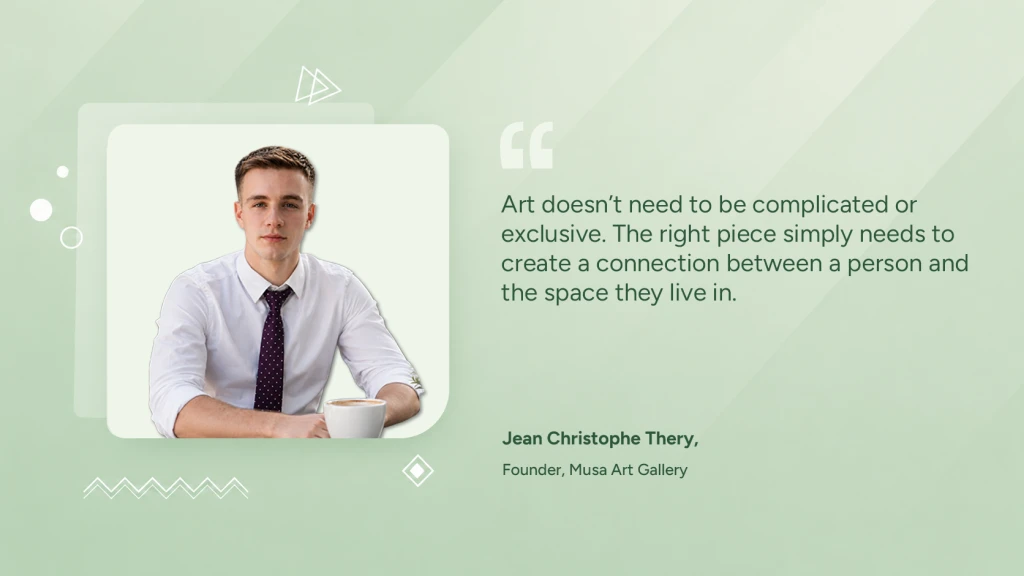
A Banker Turned Art Seller: A Journey of Confidence!
Most people who leave banking take the spreadsheet with them. Jean Christophe had to put his down. After a degree in International Finance and years inside banks, he built a business around the one variable a model cannot price: whether a stranger will want
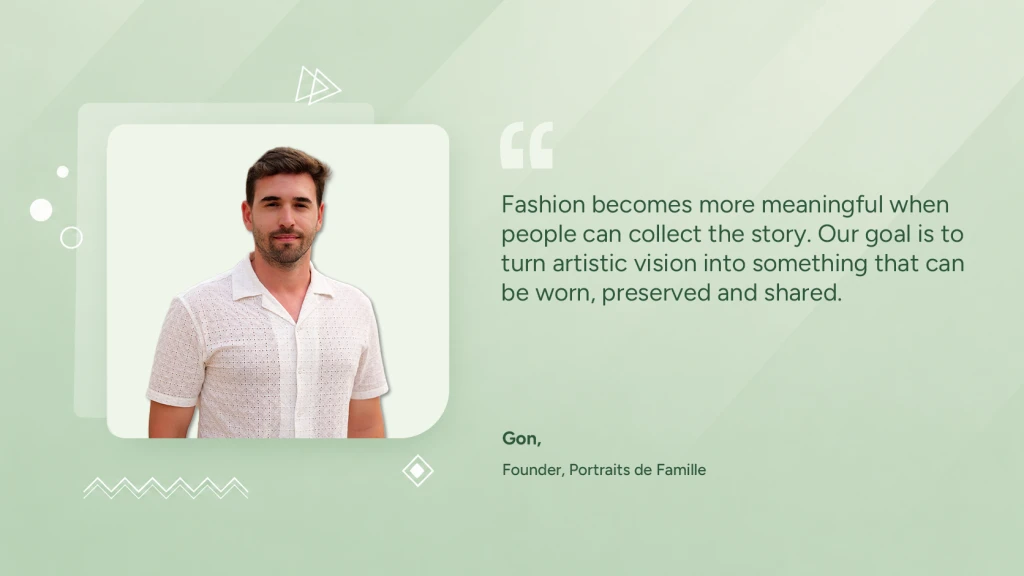
Gon Quit Consulting to Turn Clothing Into Collectible Art. And Soon Other Founders Started Asking to Buy His Software
Most founders leave stable career for idea they can’t stop thinking bout. Gon left consulting for garment. Not garment itself, but what it could carry: artist’s story, documented narrative, piece of culture someone actually wear and live in rather than hang on wall. That
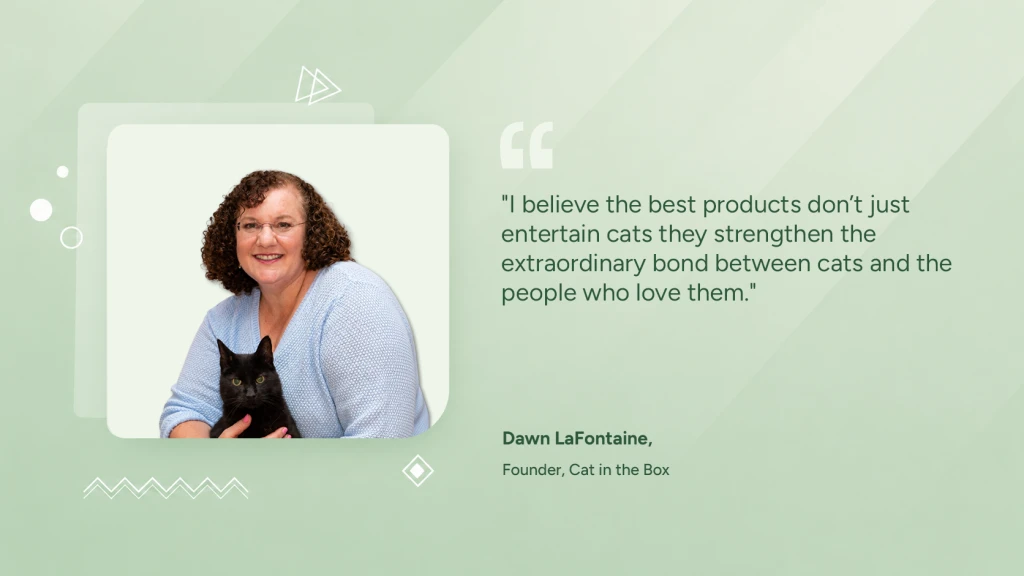
Dawn LaFontaine Was “Too Late” to Start a Business But Did It Anyway, Selling 20,000 Cat Toys in Two Years
Most founder stories begin with an advantage. A technical skill, an industry contact, a few years of runway. Dawn had none of those. She had 23 years out of the paid workforce, a husband who had just lost a job he held for 15
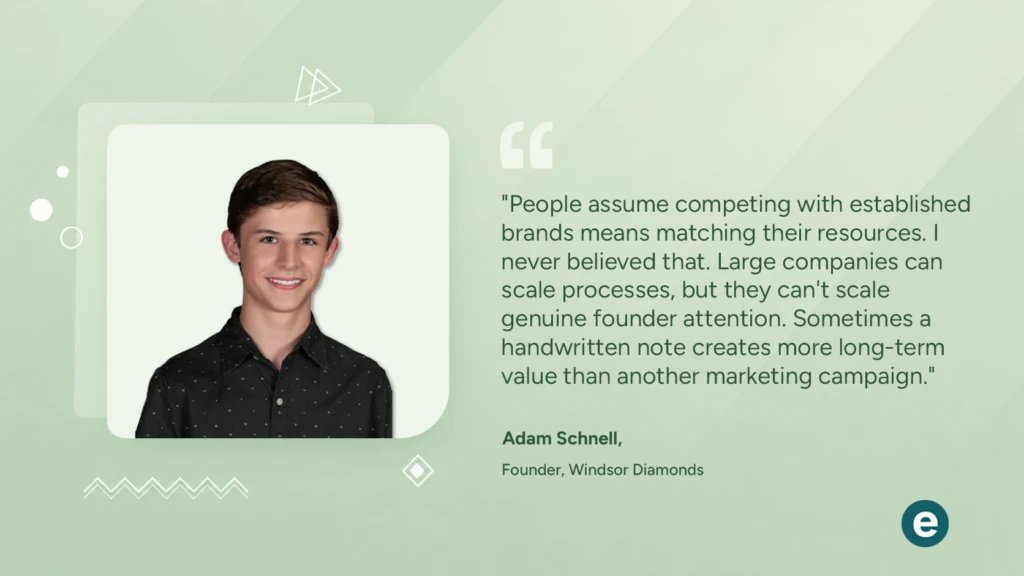
Adam Schnell Turned a Ninth-Grade Assignment Into Windsor Diamonds
Building From Scratch Many founders believe the timing has to be perfect before they start. Adam completely disrupts that narrative. His entrepreneurial instincts actually appeared around age 12 when he started running informal feasibility exercises on vacant Manhattan real estate using Google Earth. When

Everyone Said Nobody Would Buy a Mop Online in 2005
About Danny Dillon Most eCommerce founders chase categories with cultural cachet like fashion, beauty, or wellness. Danny Dillon chose janitorial supplies. When he launched CleanItSupply.com in 2005, eCommerce was still fighting for legitimacy in mainstream retail. In the industrial cleaning space, buyers traditionally wanted
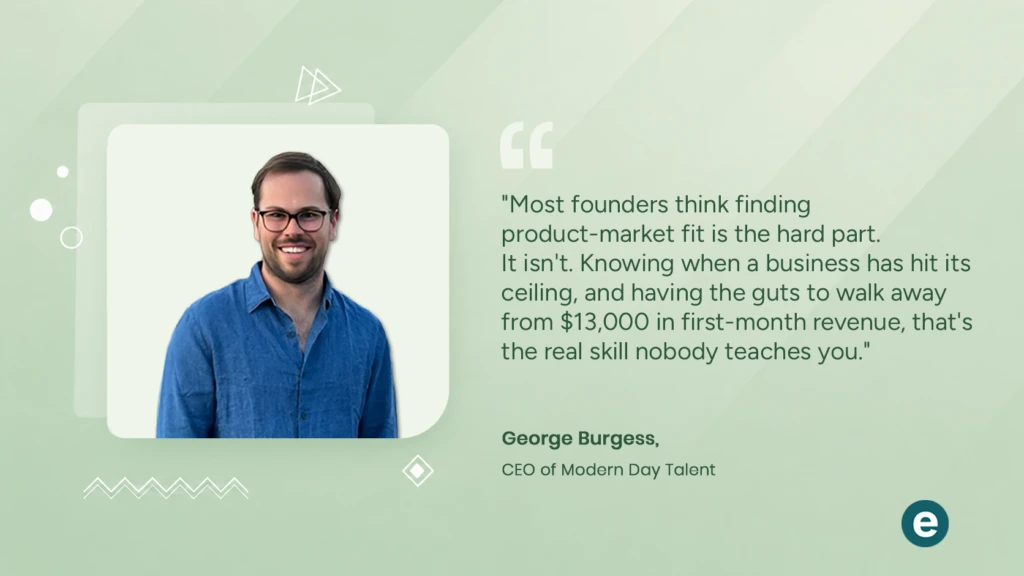
George Burgess Built and Sold Four Startups: Here’s What Most Founders Get Wrong
About George Burgess George Burgess is a London-based serial entrepreneur, angel investor, and CEO of Modern Day Talent, an offshore staffing agency helping fast-growing companies build remote teams in South Africa. His entrepreneurial instincts surfaced early; he was selling storybooks outside his house at
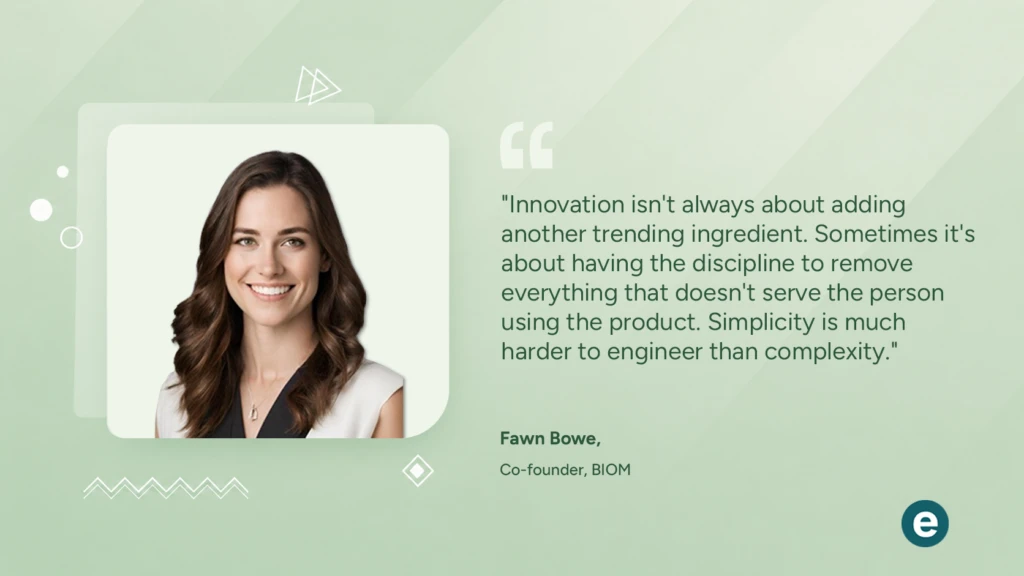
Building the Product She Could Not Find in The Market
Most personal care brands start with a market gap analysis. Fawn started with a body she could not trust most products with. Her analytical chemistry background gave her vocabulary for what most consumers never articulate: the difference between ingredients that serve the user and
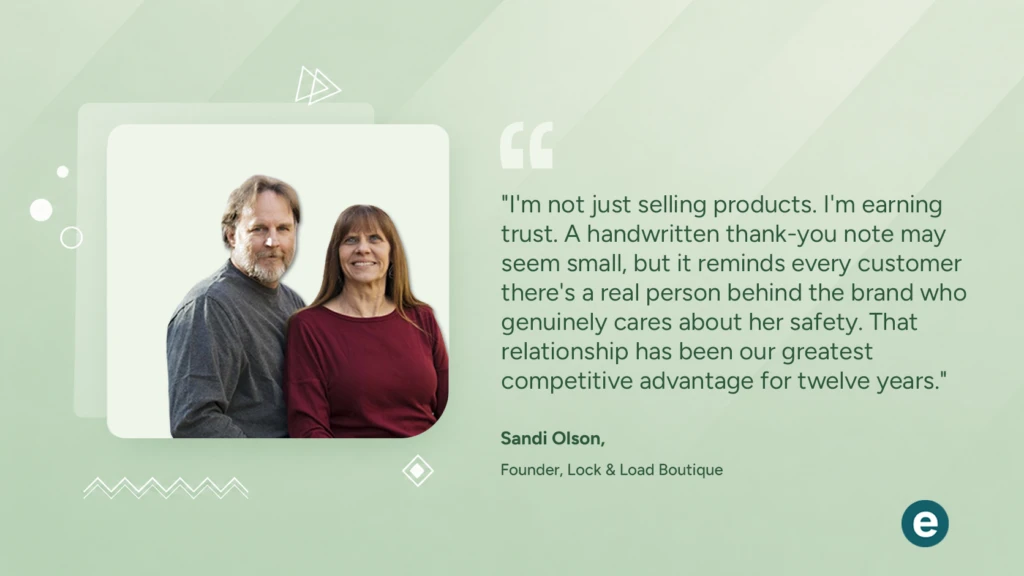
Building Trust Into Boutique IndustryThat Runs on Anxiety
Most self-defense retail leads with product specifications: lumen counts, range distances, voltage ratings. Sandi leads with relationship. That is not a soft substitute for a product strategy. It is a product strategy built on an accurate read of what drives repeat purchase and referral
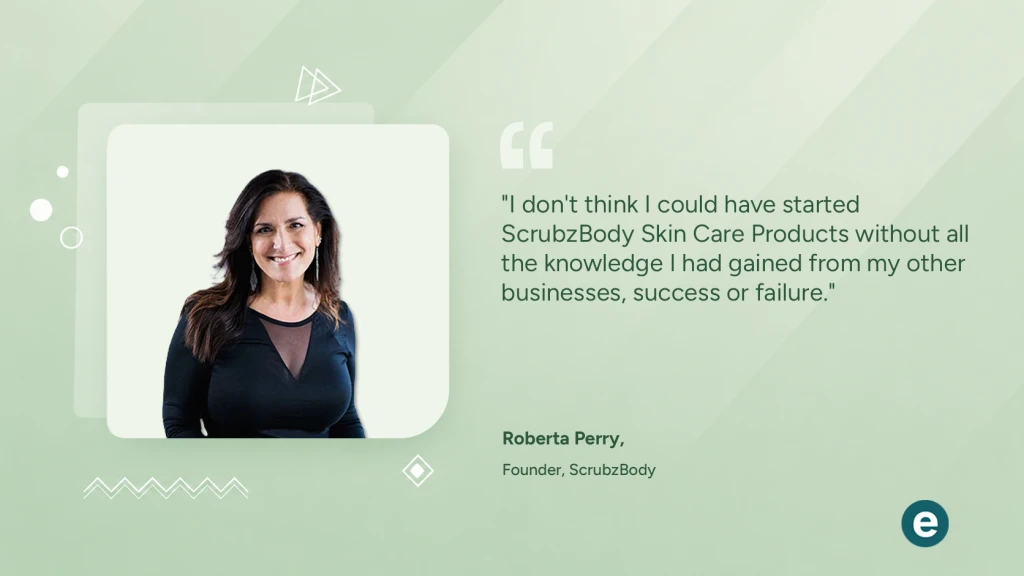
How Roberta Perry Built a Beloved Skincare Brand From Itchy Skin and Zero Industry Experience
How Roberta Perry Built the Sugar Scrub Every Other Jar Got Wrong? Sugar scrub as a retail category is mostly formulated to look good sitting in a jar. Most products on shelf lean on scent and packaging, without solving for the specific frustrations- greasiness,
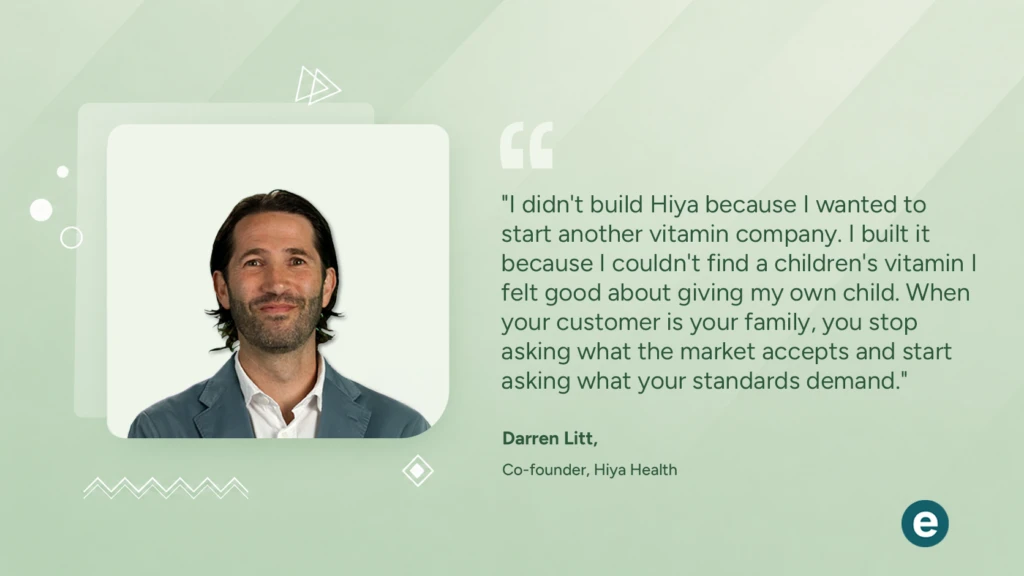
Adding Vitamins to the Daily Life of Children With a Product That Never Existed
Children’s multivitamins are one of the more counterintuitive categories in health retail. The products designed to support children’s development are, in most cases, loaded with glucose syrup, sucrose, gelatin, and added sugars. Pediatric dentists consistently note the correlation between gummy vitamin consumption and cavity
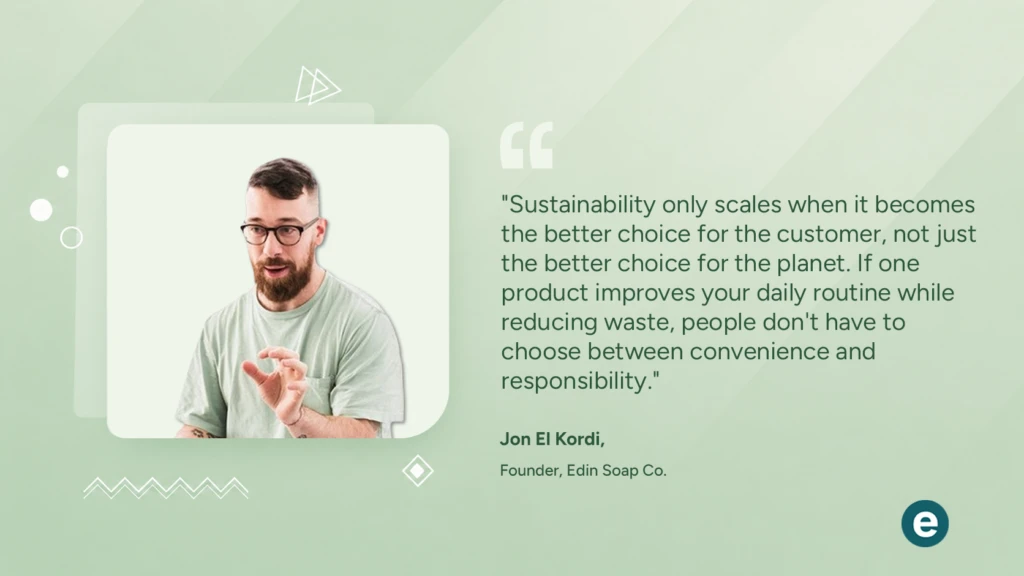
How Jon El Kordi Built a Personal Care Brand?
About Jon El Kordi Most soap brands sell cleanliness. Jon El Kordi decided to sell responsibility. Before launching Edin Soap Co., Jon spent years helping other businesses solve complex growth problems. His career moved through market research, healthcare advertising, and eventually performance marketing, where
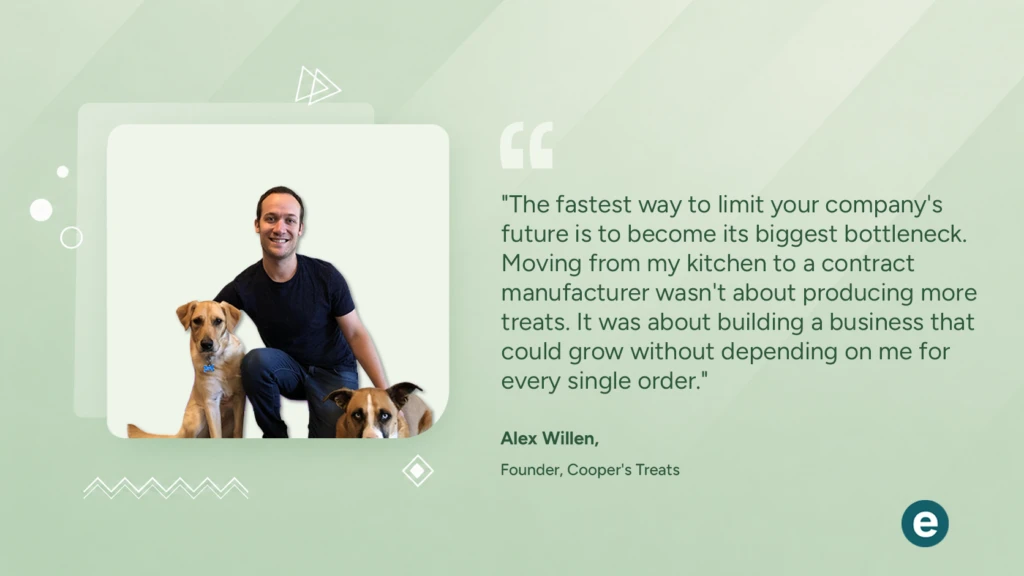
Alex Willen Had a Silicon Valley Career, a Dog Named Cooper, and an Ingredient Label He Couldn’t Stomach
About Alex Willen Most pet brand founders come from food science, veterinary nutrition, or consumer packaged goods. Alex Willen came from enterprise software. After spending a decade as a product manager at Silicon Valley companies like Box and Talkdesk, he moved to San Diego

Jared Pobre Built a Men’s Skincare Brand From a Wyoming Winter and a Wife’s Moisturizer
About Jared Pobre Most luxury skincare brands start with a formulation lab, a contract manufacturer, and a marketing brief. Jared Pobre started with severely chapped skin and profound frustration. When he launched Caldera + Lab in 2019, he did not come from the beauty
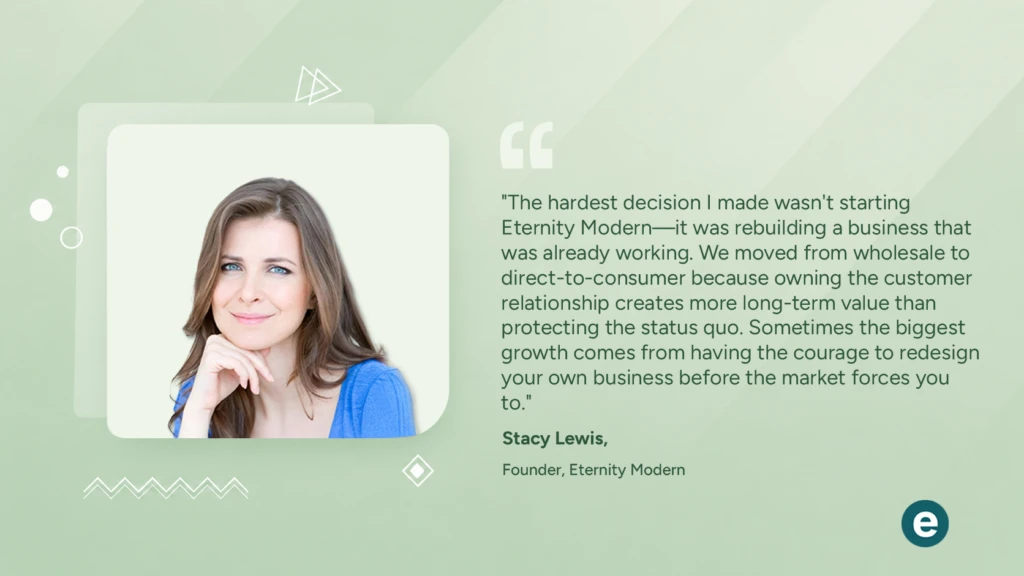
Designing the Reset: How Stacy Lewis Transformed Eternity Modern?
Most furniture businesses that survive for fifteen years do so by staying the same. Stacy did the opposite. When e-commerce had matured to the point where a furniture brand with strong aesthetics and credible product quality could reach consumers directly, she recognized the disruption
How Miles Gotcher Built Real Ginger Ale, Which Never Existed?
Ginger ale as a category is largely fictional as a digestive health intervention. The products labeled as ginger ale contain trace amounts of ginger flavoring alongside substantial quantities of sugar. They were not formulated to address digestive discomfort. They were formulated to taste pleasant
Integrating Guidance Into a Process Designed Around the Engagement Ring Industry
The grooming industry assumes its best founders are insiders: former brand chemists, retail buyers, beauty school graduates. Jaime entered with none of those credentials and built from a different foundation: two decades of watching bureaucratic systems fail the people they serve, and the rural
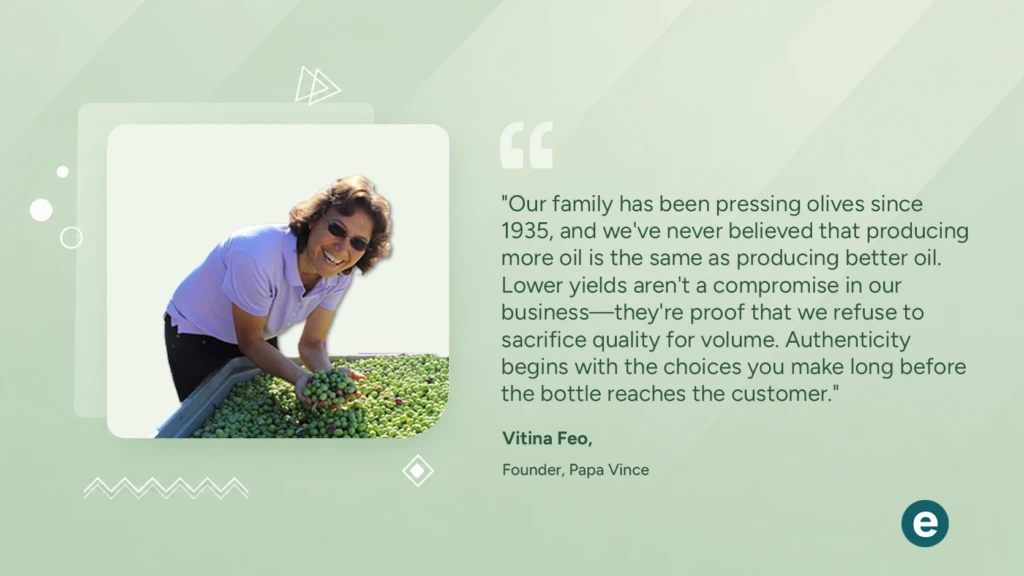
Bringing Authenticity From a 90-Year-Old Oil Press Into a Market That Thrived on Artificial Ingredients
Most olive oil brands sell a story about the Mediterranean. Papa Vince sells the real thing. The production shortcuts that maximize yield also compromise what makes premium extra virgin olive oil worth distinguishing from a commodity product. Vitina’s engineering background gave her the systematic
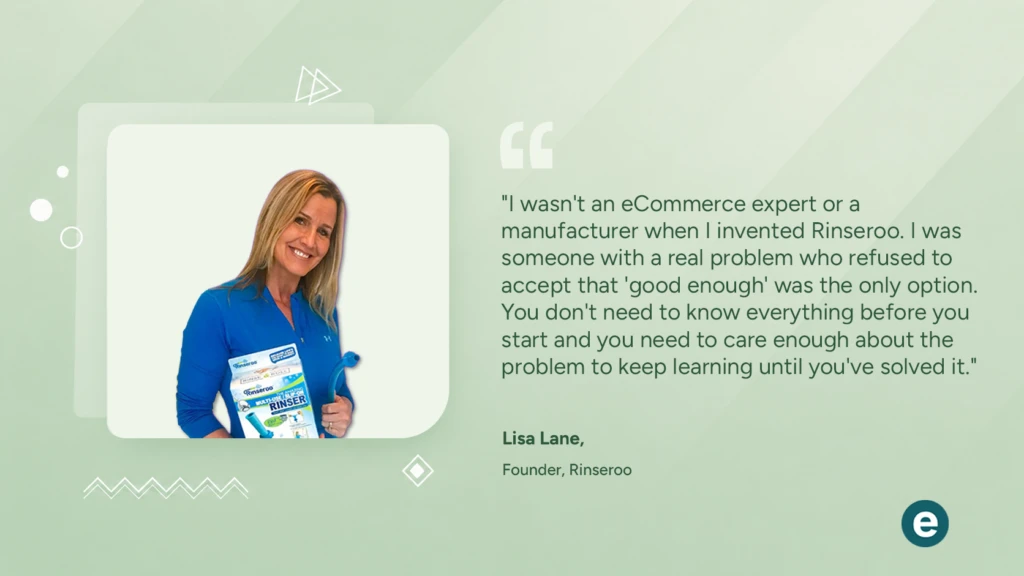
The Accidental Inventor: Lisa Lane’s Path to Rinseroo
The founding idea for Rinseroo did not come from a gap analysis or a market research report. It came from a practical problem that had no good existing solution: four dogs, a large tub, and the only available option being a cup of water.
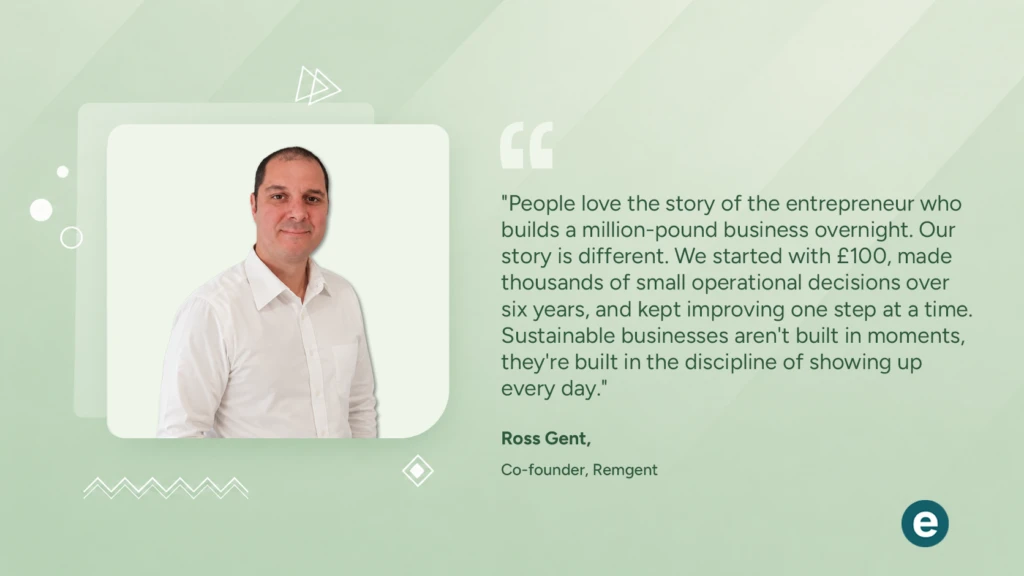
How Ross and Emma Gent Built a Successful Kitchen and Howeware Brand?
eCommerce success stories circulate in a particular format: the founder identifies a product, it goes viral, revenue compounds, and investors appear. Ross’s description of that narrative is precise: the internet paints a picture of eCommerce millionaires making large amounts of cash overnight. Remgent’s 130,000-pound
A Tour Into This Student-Entrepreneur’s Little Big World of Art & Sciences
About Deepika Pillai Deepika Pillai is the founder of Kula Village, a brand curating cultural gift boxes and children’s books to bring cultural exchange directly to families. Fluent in five languages and shaped by an MBA in Germany and a career in hospitality sales
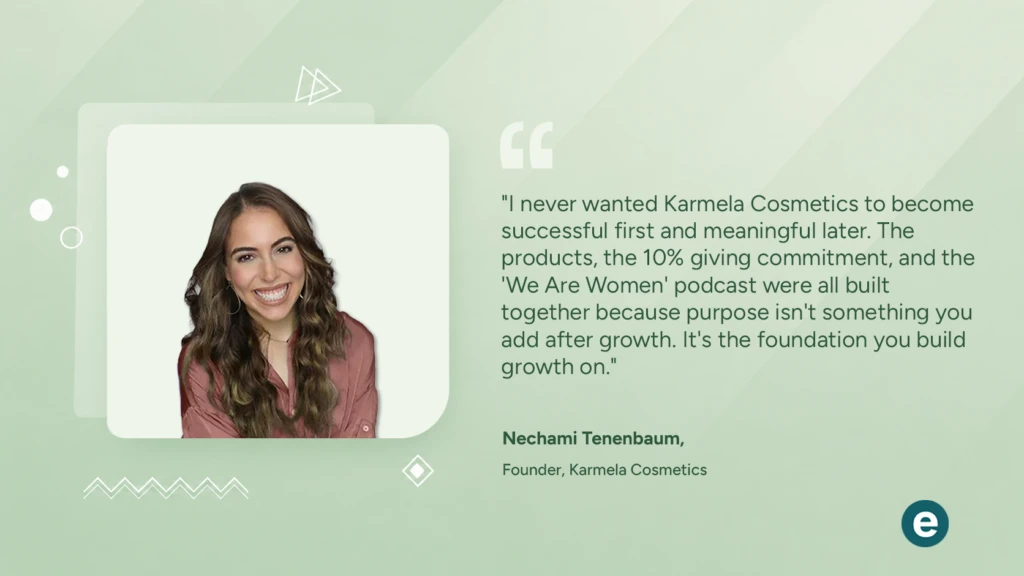
More Than Makeup: Engineering a Social Legacy
The beauty industry is not short on lipstick brands. It is short on lipstick brands with a formulation standard, a social mission, and a founder who completed an MBA and connected her brand’s commercial decisions to causes she had personally investigated rather than causes
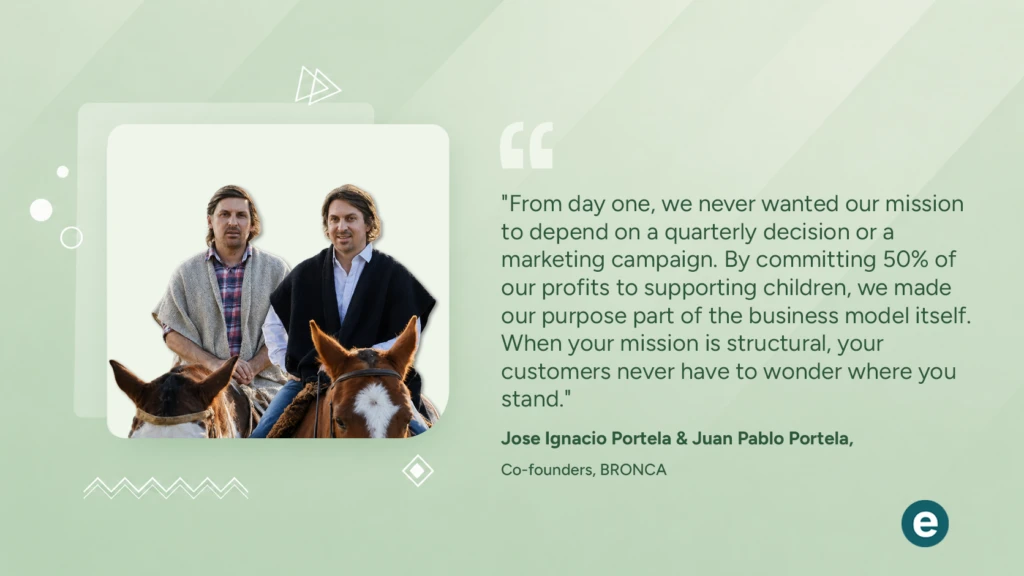
Building a Fashion Brand Around a Verifiable Mission
Fifty percent of profits is an unusually direct commitment compared to the typical CSR model. The beneficiaries are specific. The use of funds is specific. The brothers talk about impact, not in aggregate statistics but in terms of what individual sales produce for individual
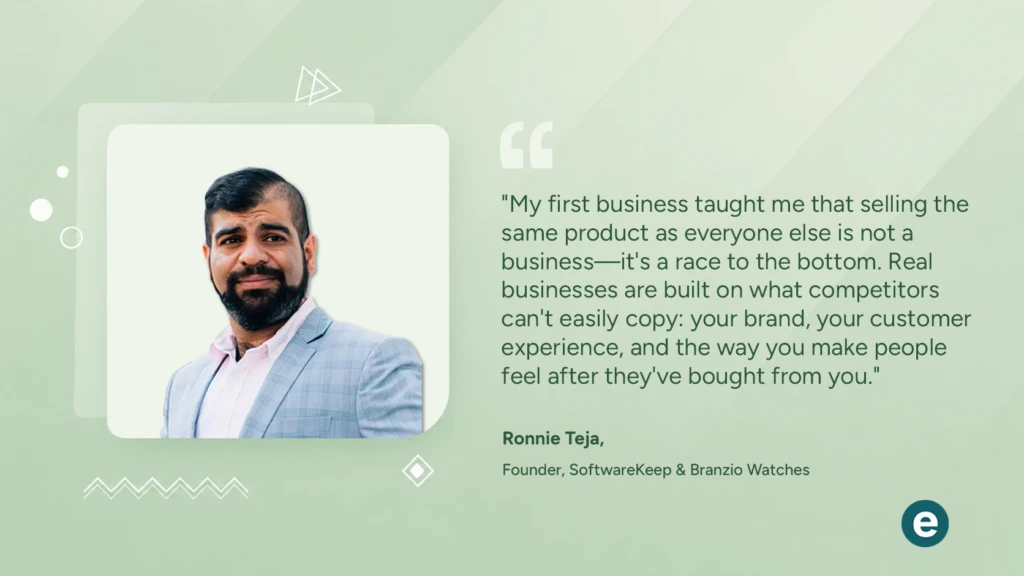
Lessons in Entrepreneurship from SoftwareKeep’s Founder
Ronnie’s trajectory from first-generation immigrant to multi-brand founder follows a pattern that researchers have documented consistently: immigrant founders are statistically overrepresented in high-growth company formation. The reasons are structural. Immigration requires navigating unfamiliar systems without the default support networks locals assume. That experience builds
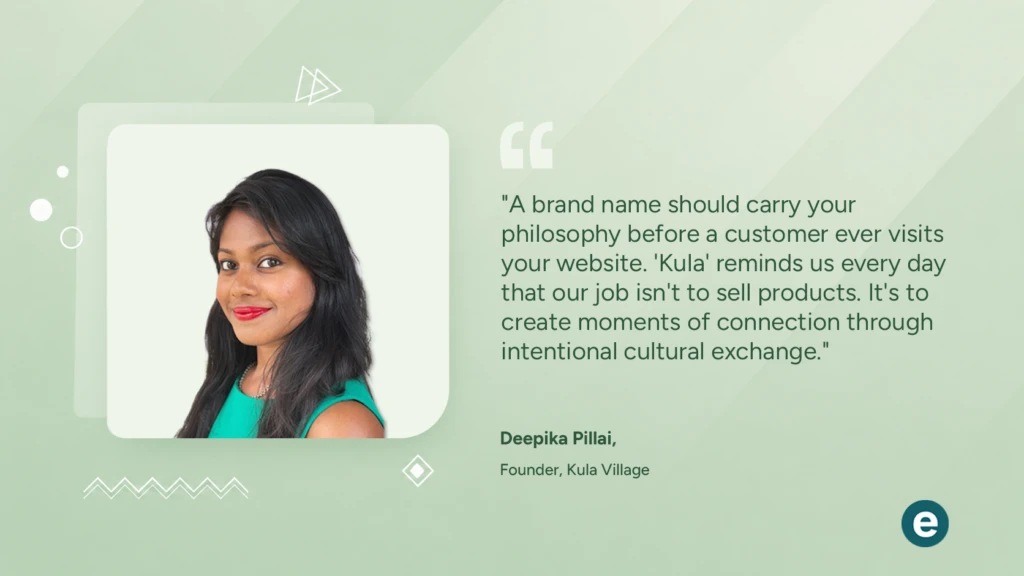
How Deepika Pillai Built a Cultural Exchange Into a Product?
Most gift brands treat culture as aesthetic. Kula Village was built from the inside out by someone who genuinely understands cultural nuance because she has navigated it across languages, geographies, and professional contexts for over a decade. Deepika’s career in hospitality sales within a
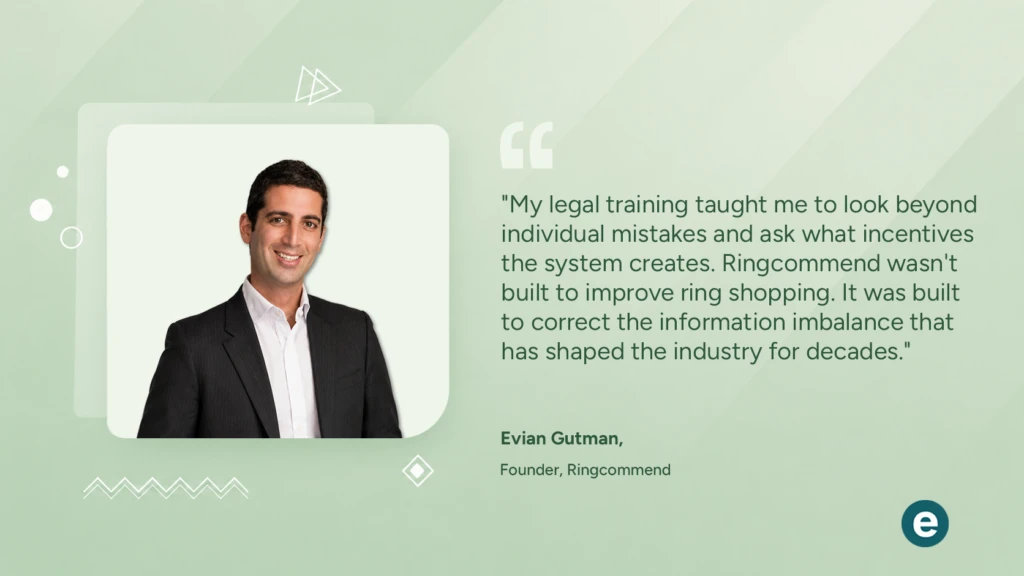
Integrating Guidance Into a Process Designed Around the Engagement Ring Industry
The engagement ring industry operates on structural information asymmetry. Buyers arrive underprepared. The only expert in the room is the jeweler, who has a direct financial interest in the outcome. The average buyer visits 26 rings across 3.5 months and still overspends by 35%.
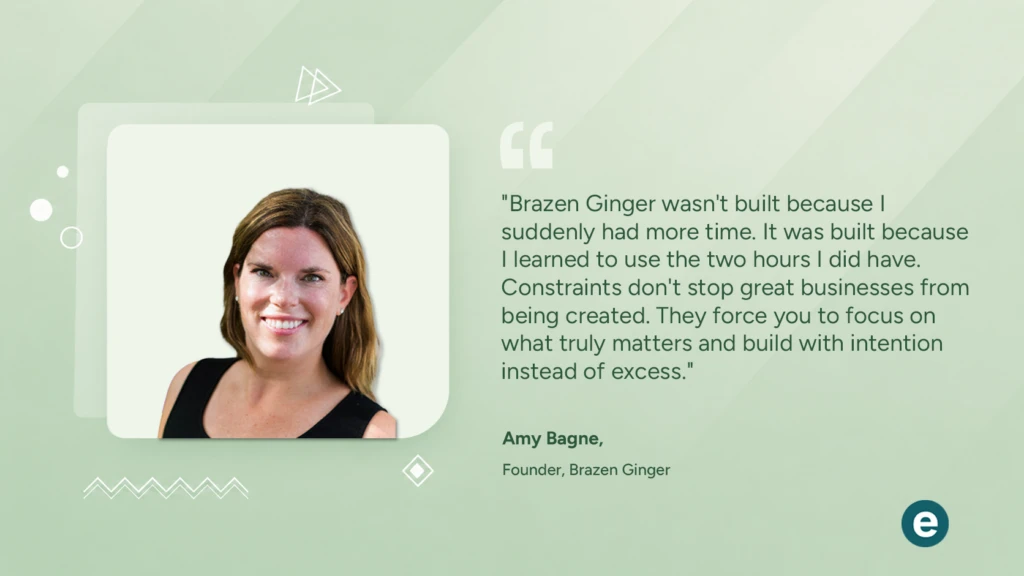
The Power of Constraint: How Amy Bagne Built a Brand in the Margins
The constraint that shaped Brazen Ginger was not capital or market access. It was time. Two hours per day during nap time, sometimes three. That constraint forced genuine prioritization in a way that founders with more available time rarely experience. You cannot waste time
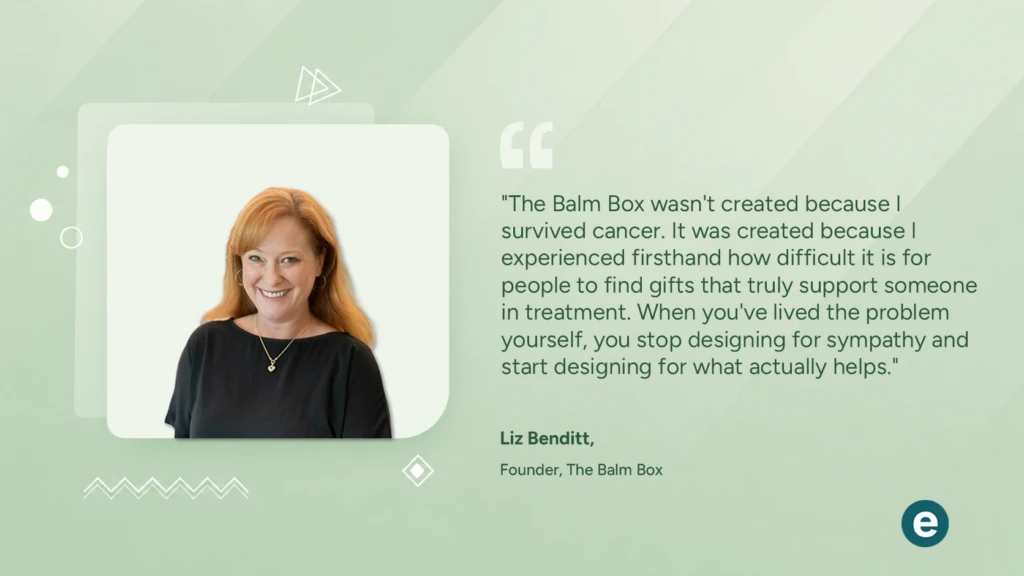
From Personal Experience to Purpose-Driven Gifting
Liz moved to Kansas City in 2000 to be closer to her mother, who had been diagnosed with breast cancer. That decision, to reorganize her geography around family health needs, foreshadowed the logic behind The Balm Box. What the market offered cancer patients was
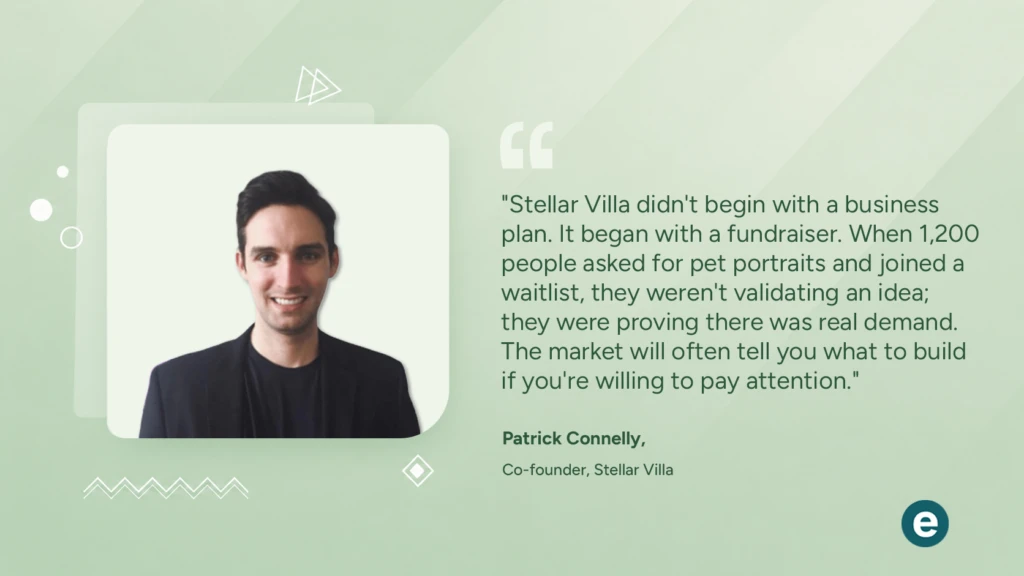
Creating an eCommerce Pet Brand From Demonstrated Demand For Pet Shelters
The founding story of Stellar Villa does not fit the standard entrepreneur narrative. Laura did not set out to build a pet portrait business. She set out to support an animal shelter during a moment of particular need. The fundraiser worked beyond any reasonable

Saugat Adhikari Watched Competitors Burn Cash on Paid Ads
Saugat Adhikari is the co-founder of Magical Nepal, a niche trekking company operating in a fiercely competitive travel market. Instead of trying to outspend established players with massive marketing budgets, he chose a completely different approach. Saugat built an asset. He realized that years

How Abhi Madan Built Amarra Into a Sustainable Luxury Fashion Brand Available in 850+ Stores
About Abhi Madan Abhi Madan is the founder of Amarra, a luxury fashion brand specializing in handcrafted gowns for formal occasions. He launched the company without a traditional fashion house pedigree or a massive wholesale network. Instead, he relied on a clear belief that

Building a Bootstrapped Empire: Scaling Omnisend and Prioritizing Customer-Centric Growth
About Rytis Lauris Most SaaS founders spend their first two years pitching investors. Rytis Lauris spent his first two years pitching customers. When he built Omnisend, he made a deliberate architectural decision. He knew that a product built around investor timelines and return targets